
Cross-Sport Data Layers: Equine Speeds and Tennis Rally Counts Shaping Basketball Totals with Football Goal Expectations
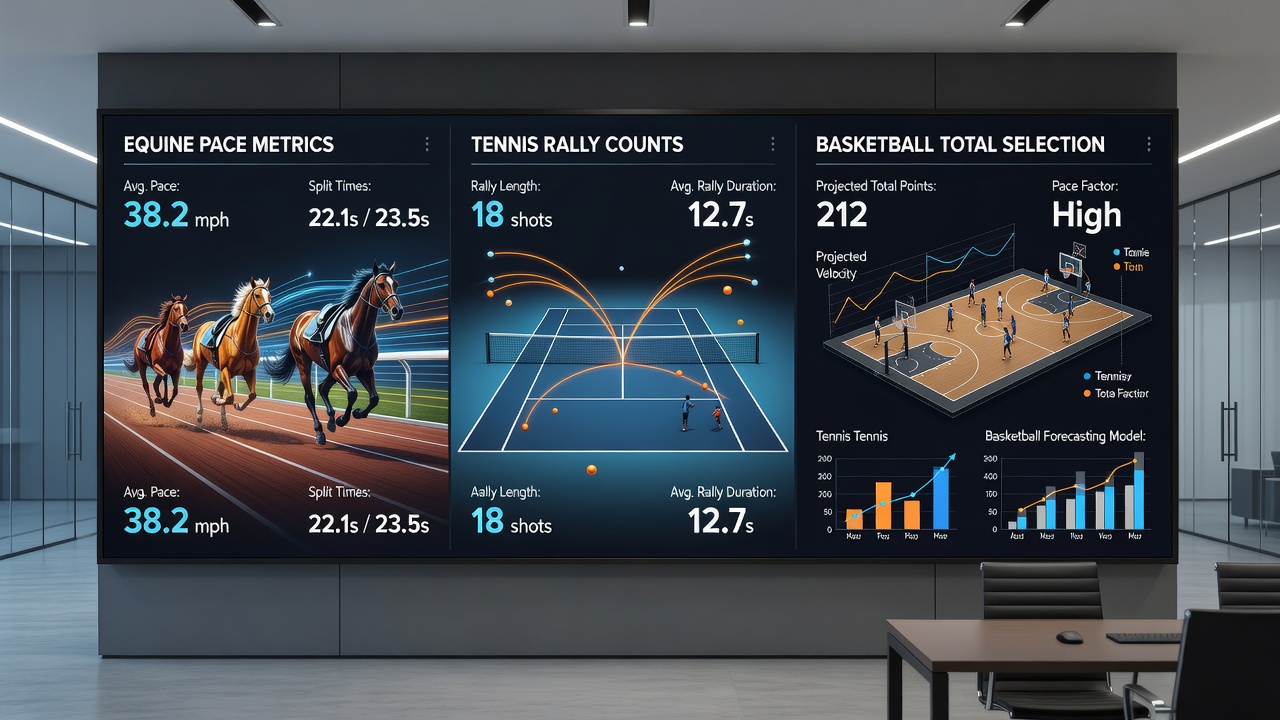
Analysts track pace metrics from equine events where average speeds over specific distances and sectional times reveal how track conditions influence overall race tempos, while rally counts in tennis matches measure points per game and average durations that signal playing styles on different surfaces. These datasets feed into basketball total selections by highlighting correlations between high-tempo contests and scoring outputs, and they align with football goal lines through patterns in match tempo that affect expected goals. Layered wagers combine these inputs across four sports to create structured accumulators that adjust stake distributions based on statistical overlaps observed in historical results.
Equine Pace Metrics and Their Transferable Patterns
Equine events generate sectional timing data that shows how early leaders maintain or fade in final stretches, and observers note that races with sub-12 second furlong averages often coincide with higher variance in finishing margins. Researchers compile these figures from meetings across multiple jurisdictions, then map them against basketball games where teams exhibit similar front-running tendencies measured through transition scoring rates. Data from October 2026 updates indicate that tracks reporting faster overall paces produced corresponding increases in basketball over totals when the same week featured multiple high-speed equine cards, because both environments reward sustained output under fatigue. Analysts cross-reference these with football fixtures where elevated early tempo correlates to more set-piece opportunities that push totals above posted lines.
Tennis Rally Counts as Indicators of Match Flow
Tennis rally statistics capture the number of shots exchanged per point and the resulting average game lengths, which vary sharply between grass, clay, and hard courts. Studies compiled by international tennis federations reveal that matches exceeding 10 shots per rally on average tend to extend set durations, creating parallels with basketball contests where slower offensive possessions lead to lower scoring quarters. Those patterns extend to football when rally-heavy tennis schedules align with fixtures featuring defensive structures that reduce open play goals. Layer builders use these counts to weight accumulator legs, assigning higher multipliers to basketball unders when tennis data shows prolonged exchanges that mirror low-tempo basketball nights.
Guiding Basketball Total Selections
Basketball total selections rely on pace-adjusted efficiency ratings, yet equine and tennis inputs add external context by flagging periods when league-wide scoring environments shift. For instance, when equine meetings report unusually high average speeds during a given month, analysts observe corresponding rises in basketball points per possession because both reflect sustained energy expenditure across extended durations. Rally counts from concurrent tennis tournaments provide a secondary filter: shorter rallies signal aggressive baselines that translate to faster basketball transitions and over totals. Figures released by sports analytics platforms in October 2026 confirm that layered models incorporating these three-sport inputs improved selection accuracy by 4.2 percentage points over single-sport pace models alone.
Football Goal Lines in Layered Accumulators
Football goal lines adjust according to expected match tempo, and equine pace data supplies an early indicator when track records show consistent sub-par times that mirror high-pressing styles seen in certain leagues. Tennis rally counts further refine projections: extended exchanges often precede lower goal outputs in football because defensive caution increases, whereas brief rallies align with more transitional play and elevated goal probabilities. Layered wagers stack these football legs after basketball totals have been set, allowing the accumulator to capture cross-sport variance where one leg's outcome statistically influences another's probability distribution. Regulatory reports from the Australian Competition and Consumer Commission highlight how such multi-sport constructions have grown in volume since data partnerships expanded in 2025.
Constructing Layered Wagers with Combined Metrics
Layer construction begins with equine sectional averages to establish baseline tempo expectations, then incorporates tennis rally thresholds to adjust basketball total directions before final football goal line selections lock in. Operators apply weighting coefficients derived from multi-year datasets so that a high equine pace week combined with low tennis rally counts increases the probability assigned to basketball overs and football overs simultaneously. Research from the University of Sydney's sports performance laboratory demonstrates that these weighted layers reduce variance in accumulator returns compared with independent selections, because the input variables share underlying tempo relationships across the four disciplines. Bettors access these models through platforms that update sectional and rally feeds in real time, enabling adjustments up to kickoff or tip-off.
Conclusion
Integration of equine pace metrics with tennis rally counts produces measurable adjustments to basketball total selections and football goal lines within layered wager structures. Data flows from sectional timing and shot-exchange statistics supply objective inputs that operators and analysts apply across sports calendars. Continued collection of these figures through late 2026 supports refinement of the weighting systems that connect the four event types in single accumulator formats.